
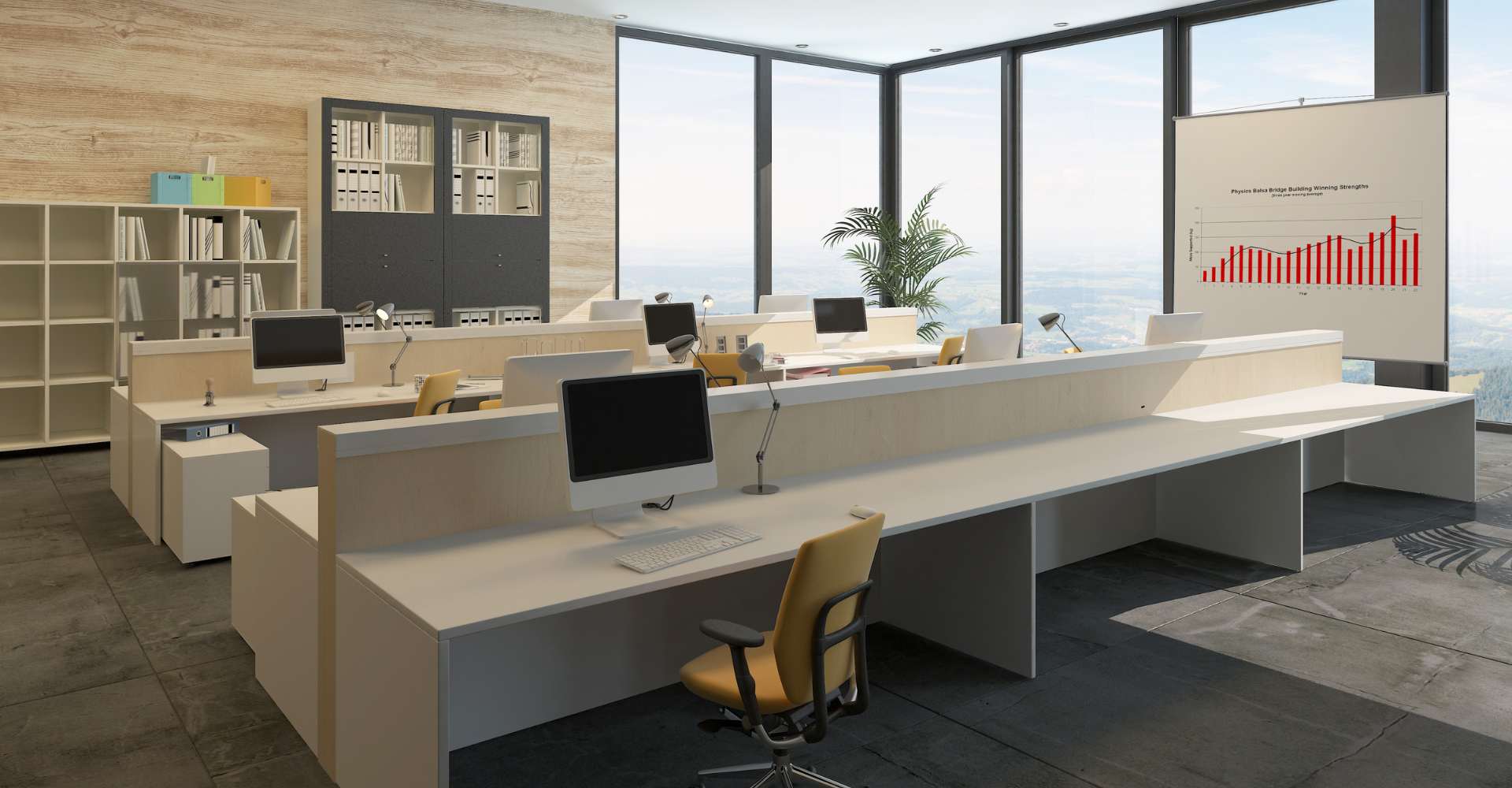
A clean office isn’t just about appearances; it’s about staff wellbeing, fewer sick days, and a workplace that feels professional for clients and visitors. If you’re searching for Office Cleaning Melbourne options, a practical office cleaning checklist, or wondering how often an office should be cleaned, this guide will help you set a clear routine (and know when it’s time to bring in professionals).
Studies show that a clean office can boost productivity by up to 20% and significantly reduce absenteeism. Dust, bacteria on high-touch surfaces, and cluttered spaces contribute to fatigue and illness, issues that are all too common in busy Melbourne CBD offices or suburban hubs like Dandenong.
That’s where professional Office Cleaning Melbourne services come in. At Neat & Sweet Cleaning Services, we specialise in delivering exceptional commercial cleaning Melbourne solutions that go beyond the basics, using modern techniques and top-quality equipment to keep your workplace spotless and healthy.
Why office hygiene matters in Melbourne workplaces
In busy offices, germs and dust build up quickly, especially in shared kitchens, bathrooms, meeting rooms, lift lobbies, and hot-desking zones. Consistent workplace hygiene cleaning helps you::
- Reduce sick days: high-touch surfaces (door handles, shared keyboards, tapware) are common spread points
- Improve productivity: people work better in a fresh, organised space
- Protect your brand: clients notice floors, bathrooms, reception areas, and glass first
- Meet WHS expectations: a hygienic workplace supports health and safety responsibilities
A “looks clean” office can still be hiding grime where it matters most, which is why routines (and professional standards) are so important.

The Complete Office Cleaning Checklist:
Daily, Weekly, and Monthly Tasks

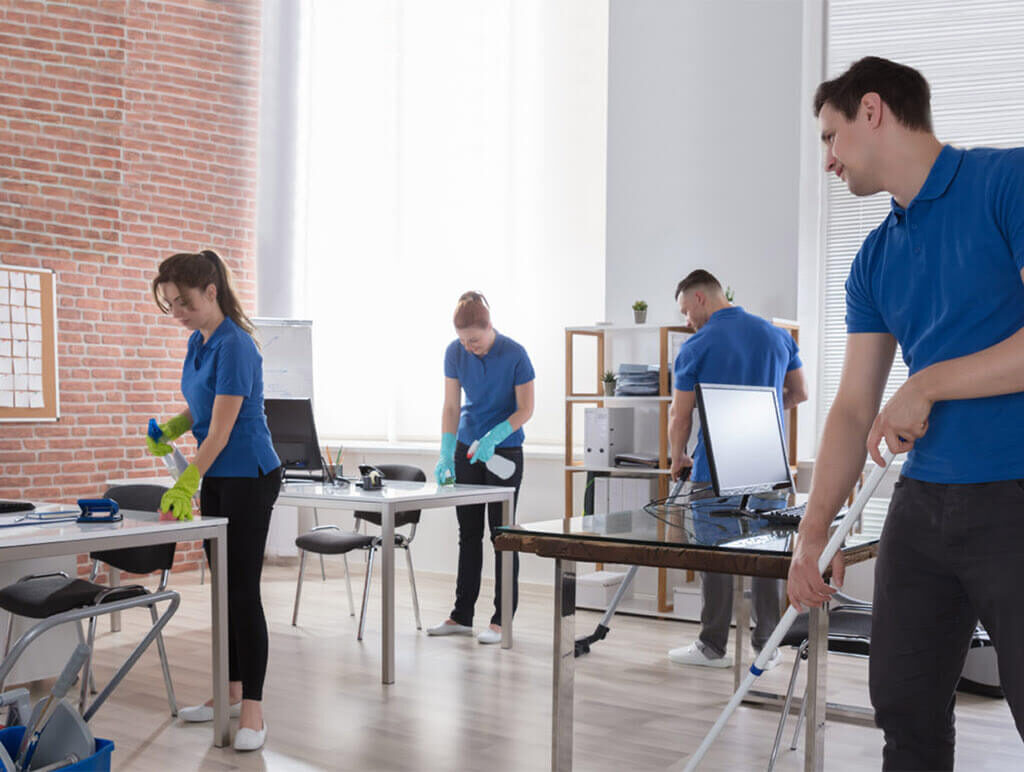
Here’s a practical, printable-style office cleaning checklist tailored for Australian workplaces. Use this as a guide whether you’re handling some tasks in-house or partnering with professional office cleaners Melbourne.
Daily Tasks (Quick wins to maintain hygiene and freshness):
- Empty all bins and replace liners to prevent odours and pests.
- Wipe and disinfect high-touch surfaces: door handles, light switches, keyboards, phones, and shared equipment.
- Clean and sanitise kitchen benches, sinks, microwaves, and fridges (including spills).
- Restock bathroom supplies: soap, paper towels, toilet paper.
- Vacuum high-traffic areas and spot-clean floors.
- Wipe down desks and communal tables.
Weekly Tasks (Deeper maintenance for ongoing cleanliness):
- Thoroughly vacuum or mop all floors, including under desks.
- Dust shelves, ledges, blinds, and air vents.
- Clean windows and glass partitions (interior).
- Deep-clean kitchen appliances and bathroom fixtures.
- Sanitise break room appliances and furniture.
- Empty and clean recycling bins.

Monthly/Quarterly Tasks (Deep cleaning for long-term health):
- Steam clean or shampoo carpets and rugs.
- High-dusting of ceilings, fans, and light fittings.
- Deep clean upholstery and office chairs.
- Clean inside cabinets and behind furniture.
- Sanitise air conditioning vents and ducts (recommended quarterly in Melbourne’s climate).
- Professional floor stripping and sealing for hard surfaces (as needed).
This office cleaning checklist covers the essentials, but professionals often spot and tackle areas staff miss, like behind printers, inside microwaves, or neglected corners that harbour dust and germs.
What Professional Office Cleaners in Melbourne Do That Staff Usually Miss
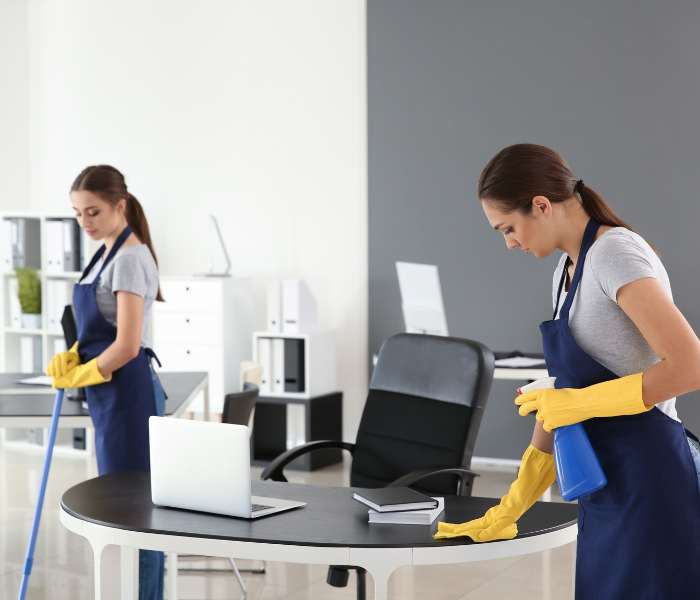
While your team can manage the basics, professional cleaners are trained to spot and address what’s often invisible in the daily grind::
- Germ Hotspots: Meticulously disinfecting high-touch points like shared phones, kitchen appliance handles, and keyboard keys.
- Build-up in Break Areas: Removing grease splatter from walls, descaling kettles, and cleaning behind fridges.
- Bathroom Longevity: Properly cleaning and disinfecting urinals, toilet bases, and tiles to prevent grime build-up and odours.
- Floor Care: Using commercial-grade equipment to extract deep-seated dirt from carpets and properly seal hard floors.
Understanding the Cost Factors for Office Cleaning in Melbourne
Investing in a professional service is cost-effective when you consider reduced sick leave and improved productivity. Costs typically vary according to::
- Office Size & Layout: Square meterage is a primary factor.
- Cleaning Frequency: Daily, weekly, or fortnightly?
- Scope of Work: Do you require kitchen and bathroom detailing, window cleaning, or carpet shampooing?
- Time of Service: After-hours cleaning often has different pricing to daytime cleans.
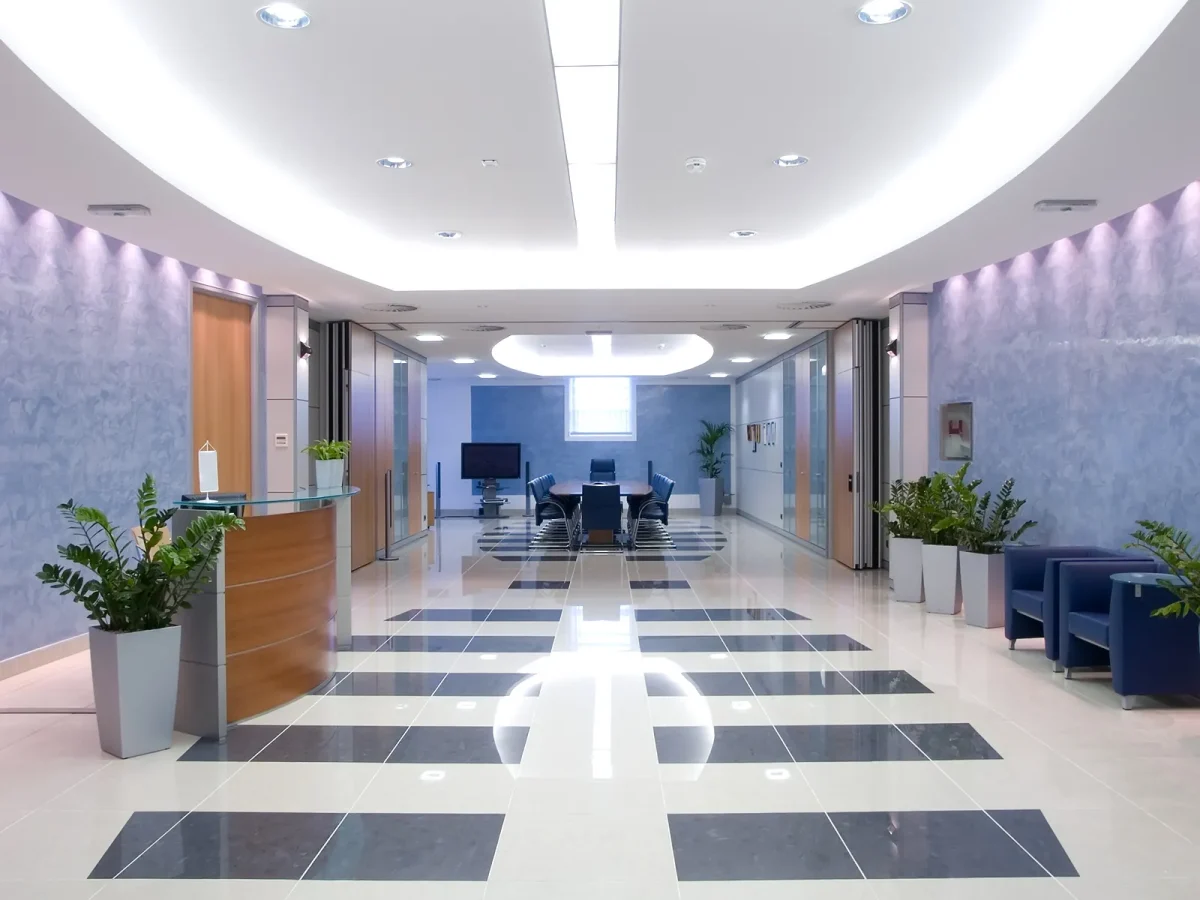
Best Time to Clean: After-Hours vs. Daytime
- After-Hours Cleaning: The most popular choice. It’s uninterrupted, doesn’t disrupt workflow, and allows cleaners to be thorough. Ideal for most Melbourne offices.
- Daytime Cleaning: Suitable for tasks like bin emptying, bathroom restocks, and light tidying. A hybrid approach can sometimes work well.
How Often Should an Office Be Cleaned? (Realistic Recommendations for Melbourne)
How often should an office be cleaned depends on your office size, staff numbers, and foot traffic. Here’s a practical guide based on common Australian recommendations:
- Small offices (1–10 employees, low traffic): Weekly professional cleaning is usually sufficient.
- Medium offices (10–40 employees): 2–3 times per week to manage buildup from daily use.
- Larger offices (40+ employees or high-traffic): Daily or near-daily cleaning, especially for shared spaces, kitchens, and bathrooms.
Many Melbourne businesses opt for a combination: daily or frequent visits to high-use areas, plus weekly full cleans. In high-footfall spots like Dandenong commercial areas, more frequent commercial cleaning Melbourne prevents issues before they start. Deep cleans (e.g., carpets, vents) are ideal monthly or quarterly.
Ready for a spotless, healthy workplace?
If you want a cleaning schedule that actually matches your office needs (not a generic package), we can help.
Request a quote or book your office clean today:
📞 Call 1300 599 080
If you want, tell me your office size (approx sqm), number of staff, and how many bathrooms/kitchens, and I’ll suggest the ideal cleaning frequency and a checklist tailored to your workplace.
FAQs – Office Cleaning Melbourne
1) How often should an office be cleaned in Melbourne?
Most Melbourne offices benefit from cleaning 2–5 times per week, depending on staff numbers, client foot traffic, and shared kitchen and bathroom use. If you have 10+ staff, daily cleaning is usually the best option for hygiene and presentation.
2) What’s included in a standard office cleaning service in Melbourne?
A typical office cleaning Melbourne service includes vacuuming and mopping floors, bin removal, bathroom cleaning, kitchen wipe-downs, dusting, and high-touch disinfection (handles, switches, shared desks). Many businesses add glass cleaning, deep kitchen cleaning, and carpet steam cleaning.
3) What is the best office cleaning checklist for Melbourne workplaces?
A good office cleaning checklist covers:
- Daily: bins, bathrooms touchpoints, kitchen benches, high-touch areas
- Weekly: full bathrooms, floors, meeting rooms, glass partitions
- Monthly: high dusting, skirting, vents, deep kitchen details
This structure suits most Melbourne offices and keeps hygiene consistent.
4) Is after-hours office cleaning common in Melbourne?
Yes, after-hours office cleaning is very common across Melbourne, especially in CBD and busy commercial areas. It avoids interruptions, allows better access to workspaces, and helps cleaners deliver a more thorough result.
5) Can office cleaners clean during business hours in Melbourne?
They can. Daytime cleaning works well for offices that need regular bathroom and kitchen refreshes, such as clinics, showrooms, and high-traffic workplaces. Many Melbourne businesses opt for a mix: after-hours deep clean + daytime touch-ups.
6) How much does office cleaning cost in Melbourne?
Pricing depends on office size (sqm), cleaning frequency, number of bathrooms, kitchen use, floor type (carpet vs hard floors), and any add-ons like internal windows or carpet steam cleaning. More frequent visits often reduce the “build-up time” and can improve value.
7) What do professional office cleaners do that staff usually miss?
Professional office cleaners Melbourne focus on areas that often get skipped, such as:
- High-touch disinfection (switches, handles, shared tech)
- Edges and corners (skirting lines, under desks)
- Behind toilets and bins
- Kitchen grease build-up and splash zones
These details make the office feel noticeably fresher and healthier.
8) Do Melbourne offices need carpet steam cleaning, and how often?
Yes, especially in high-traffic areas. A general guide:
- Every 3–6 months for busy offices (CBD, reception heavy, lots of staff)
- Every 6–12 months for smaller/low-traffic offices
Steam cleaning improves appearance, removes odours, and supports workplace hygiene.
9) What’s the best way to keep an office kitchen hygienic in Melbourne?
A strong routine includes daily bench and sink disinfecting, handling rubbish properly, and weekly cleaning of microwave, fridge handles/shelves, splashback and floors. Kitchens are one of the fastest areas for bacteria and odours to build up.
10) When should I book professional office cleaning in Melbourne?
Book professional cleaning if you notice odours, dusty surfaces, bathrooms that never feel truly clean, sticky kitchen floors, frequent staff complaints, or upcoming client visits/inspections. A regular schedule prevents build-up and keeps your office consistently presentable.
Leave A Comment